ShadeStarShadeStar
selectorWhite
Przegląd
Wprowadzenie
Korzyści
Budowa
Wnioski
ShadeStar
ShadeStar

ShadeStar

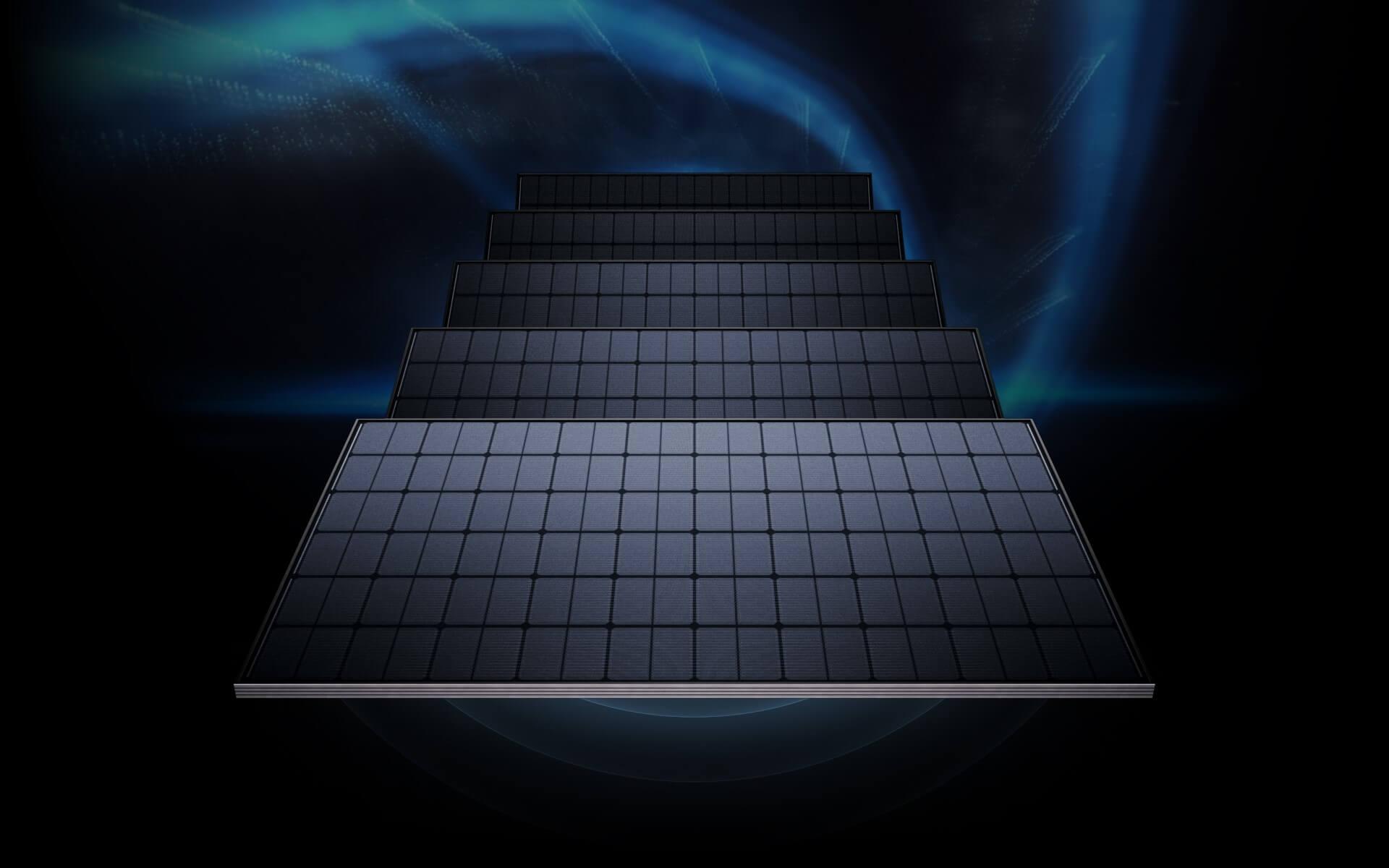
A new generation of shade-resistant PV modules.
Patented innovation, developed for increasing performance during recurring partial shading. 

Przewiń do przyszłościarrow
starPath
Patented smart module design – tested for real-life shading conditions
Urban rooftops are consistently affected by partial shading caused by surrounding structures, buildings, trees, and changing sun angles. Even minor shading can significantly reduce the performance of conventional PV modules.

The ShadeStar PV module, developed by AESOLAR and tested by Fraunhofer CSP, is designed to solve exactly this problem.
Shading-optimized
Module Architecture
With its segmented cell-group architecture, integrated bypass diode concept, and TOPCon cell technology, ShadeStar delivers stronger energy yield, improved reliability, and better performance in real-world shading conditions.
440W
Moc
(do)
22.04%
Wydajność
(do)
30 Years
Gwarancja
(do)
Jakie są jego

najlepsze cechy?

performance.svg
Optimized for real rooftop conditions

The module performs across different shading directions, orientations, patterns, and sizes. Engineered in Germany, its real-life performance has been tested by Fraunhofer CSP.

The ShadeStar solar module outperforms standard PV technologies, including IBC and TOPCon butterfly designs - making it a superior solution for shaded rooftops.

power.svg
More energy under shading

ShadesStar is designed to generate more usable energy where conventional modules lose performance. Its smart module design helps reduce mismatch losses, prevent hotspot risks, and improve the performance of shaded PV systems.

Because customers & owners need energy (kWh) — not just power (kW) as even the PV modules with highest efficiency cannot produce any energy when they are shaded.

capacity.svg
Reduced hotspot risk

The smart module design also helps prevent electrical reverse breakdown in solar cell level and reduces thermal stress leading to higher service-life and greater energy generation.

Integrated bypass diodes provide segment-level protection and high reliability, while active diodes reduce heat generation and power losses.

costEnergy.svg
Lower system costs

In many small-scale shading scenarios, ShadeStar can eliminate the need for power optimizers.

shield2.svg
Improved cost effectiveness

Higher energy yield under shading can improve LCOE and support faster return on investment.

Ukryte warstwy Bliższe spojrzenie na
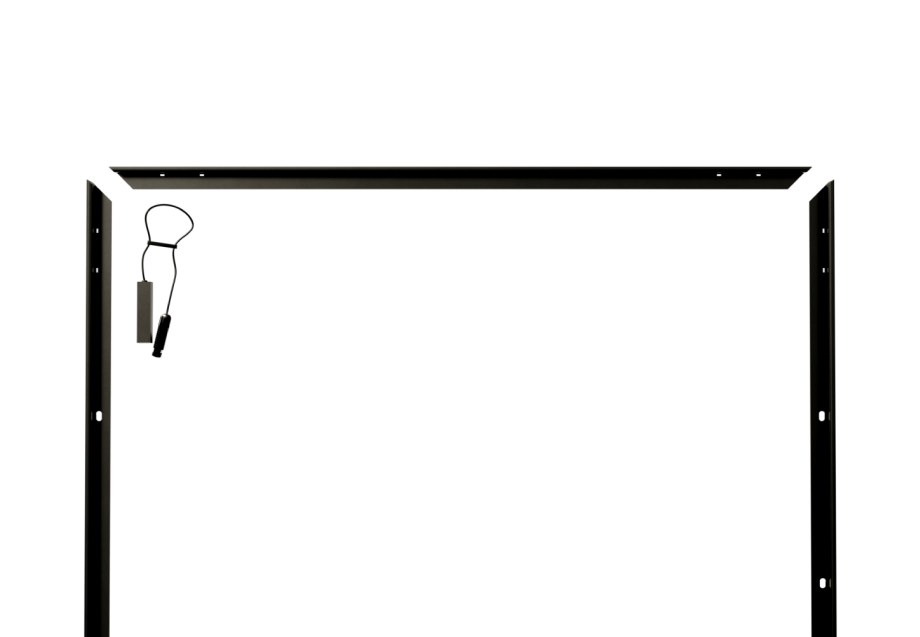
Engineered beyond standard module design
ShadeStar uses a segmented module architecture that reduces mismatch losses and maintains power under partial shading.
Integrated Bypass Diode Protection
Each module has multiple bypass diodes in sections to isolate shaded areas and reduce power loss.
Designed for Scalability
Based on existing module dimensions and materials, supporting easier manufacturing and stable supply chains.
Independent Testing Validation
Extensively tested by Fraunhofer CSP for shading response, bypass diode behaviour, hotspots, and thermal cycling to validate long-term reliability and performance.
0
1234567
dividerSmall
Stwórz swoją

własną przestrzeń

Built for Real-World
Shading Scenarios
Maintains higher energy production when trees, chimneys, or other obstacles cast shadows.
Unlock More
Rooftop Potential
Delivers strong performance on complex roofs where partial shading is unavoidable
Patented Module
Architecture
Shade-optimized module architecture helps reduce mismatch losses and hotspot risk.
30
years
warranty
/images/products/bentobox/shadestar/shadestar-weather.png
Higher energy yield under partial shading – lower LCOE
Wnioski
ShadeStar is designed for rooftops where partial shading is unavoidable. Its patented shading-optimized module architecture and integrated bypass diode protection help maintain higher energy production under real-world conditions while reducing hotspot risk and enhancing long-term reliability. Independently tested by Fraunhofer CSP, ShadeStar outperforms conventional PV designs such as TOPCon butterfly or BC under shaded conditions, reducing the need for optimizers in many applications and delivering greater long-term value through improved energy yield and faster return on investment.

AE×××SME-80E

Typ Komórki
N type TOPCon
Moduł Konstrukcja
Mono-facial
Moc Zakres, W
420-440
Moduł Kolor
Biały
White
Ramka Kolor
Czarny
Black

WhiteWhite